
Forget the clichés about romantic precariousness or the myth of the solitary reporter: independent journalism today is far from a default option. According to the Commission for the Professional Journalist Identity Card, over 30% of journalists in France work without a fixed newsroom, as independents or through short-term contracts. Yet, they feed the news, here or on the other side of the world. Assignments pile up, but stability remains a mirage for many. Information is constantly renewed. Platforms have multiplied, digital has disrupted usage, and economic models navigate between fragility and constant innovation. With each assignment, with each media outlet, everything must be rebuilt. Habit has no place: the sector is constantly advancing, and independent journalists adapt to keep pace.
Independent Journalism: A Plurality of Profiles and Approaches
Independent journalism is no longer reserved for a handful of diehards or confined to isolated freelancers. Today, it includes podcast creators in Paris, collective reporters in Lyon or Toulouse, and documentarians who carve out their own paths. In this shifting landscape, each person sets their own milestones differently, like Benoît Le Corre, Justine Reix, or the members of We Report, who experiment with new modes of collaboration across France.
Autonomy is attractive for its flexibility, but it is rigor that makes the difference: telling stories honestly, identifying solid sources, interacting directly with the reader. Against the imposed speed, some make depth a priority. Justine Ryst favors long-form content on YouTube; others build an active relationship with their audience, the series “En quête d’impact” multiplies discussions off the beaten path, proving that the thirst for in-depth narratives remains strong.
For those who want to go beyond quick hits and dive into stories built over time, an invitation is in order: discover Le Grand Format online. There, you will find immersive investigations, engaging narratives, and a deliberate choice to slow down in the face of the constant agitation of the news.
Salaries and Perspectives: The Reality of Conditions and Horizons
Being independent does not open many doors to comfort or security. On the contrary: short-term contracts and irregular income often dictate the tempo. The market is constantly changing, forcing one to reshape their daily life. A few figures and reference points can help clarify:
- Rates are not fixed: a freelance piece ranges from €50 to €120 per page, depending on the media, the topic, and the author’s experience. Negotiation remains the norm.
- Financial resources are woven over time: one-off assignments, subscriptions, crowdfunding campaigns. Diversifying one’s skill set often becomes essential.
- Uncertainty is part of the job: delayed assignments, unpredictable platform algorithms, collaborations that end overnight. Even recognized independents, like Juliette Reix, experience these ups and downs.
Behind this fragility, collective dynamics are emerging to establish better guarantees:
- Some are banding together to advocate for better transparency regarding compensation or to test new ways of working, like the Fund for Free Press.
- European networks such as Sphera Network are pooling resources and launching large-scale shared investigations.
- Mutual aid is taking shape: shared tools, private forums, and collective bargaining are initiatives that bring a bit of stability to daily life.
This reality demands new skills: learning to bounce back, broadening one’s skill set, forging strong contacts, and seeking the right balance between boldness and vigilance. But at the heart of this turmoil, the refusal to compromise on editorial independence remains non-negotiable.
Training: Adapting and Strengthening in the Face of Challenges
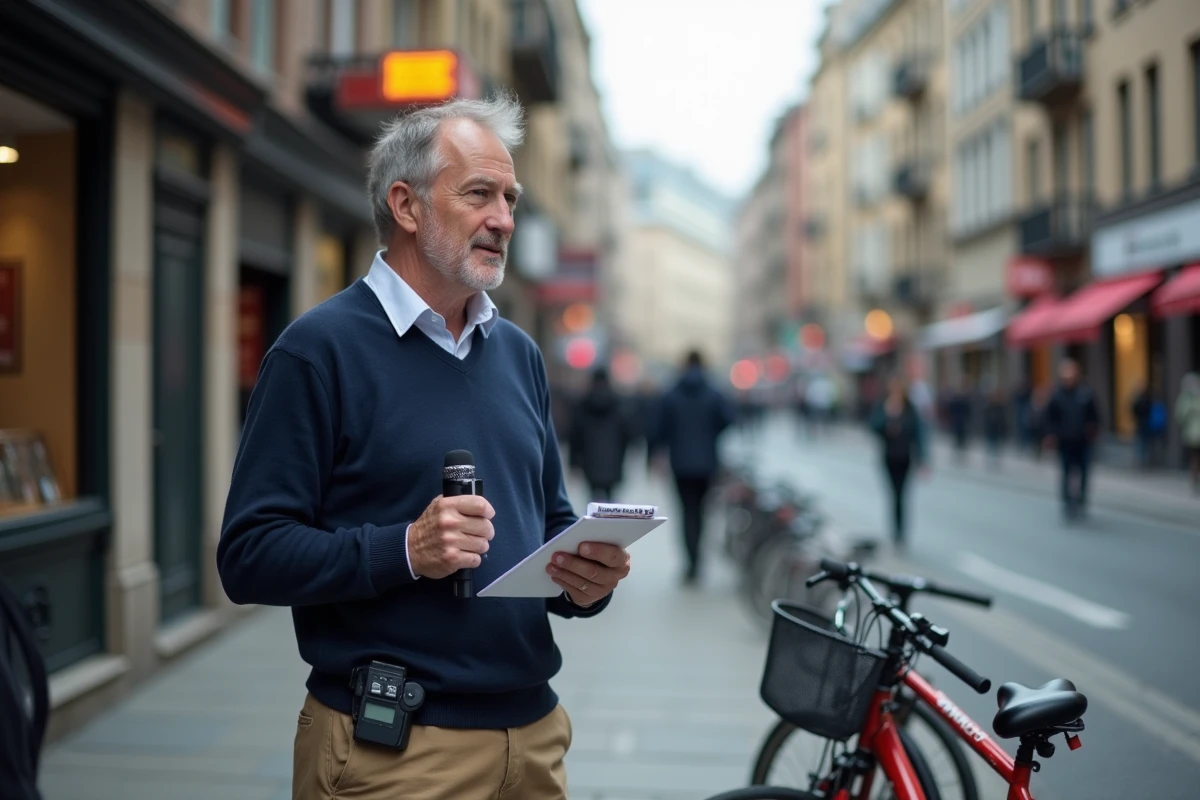
Nothing is set in stone for those who choose this path. Adapting means accepting to engage in continuous training: mastering a professional website, asserting one’s voice on social media, understanding video and audio, creating new formats—these are all skills that are now necessary.
- Being comfortable with digital tools has become fundamental: one must know how to rally an audience, stand out from the crowd, and maintain a sense of editorial precision.
- Moving towards visuals or interactivity can quickly make a difference, provided one never loses sight of the substance.
On the ground, training comes from masterclasses or workshops as well as peer mentoring. Ethics, verification, investigative methodology, and adaptation to digital channels form the framework for this new profession. There are no shortcuts: every piece of information deserves verification, every source must be protected, and every rush must be avoided. Voices like Simon Ruben or Jean-Claude Allanic remind us how valuable precision, patience, and discretion are when it comes to uncovering the truth and gaining the public’s trust.
This diversity of formats—long articles, podcasts, videos, new narratives—marks a generation that is forging its own path. Exploring unusual audiences, building bridges between traditional media and emerging platforms: this desire to create differently runs through the new voices in the sector.
Nothing ever stays still. Journalistic independence is built every day, sometimes on a tightrope, always with that desire for freedom that shapes new narratives. Tomorrow, which voices will carve their way or overturn habits? It will be the collective boldness and daily inventions that write it, far from the beaten paths and already filled margins.