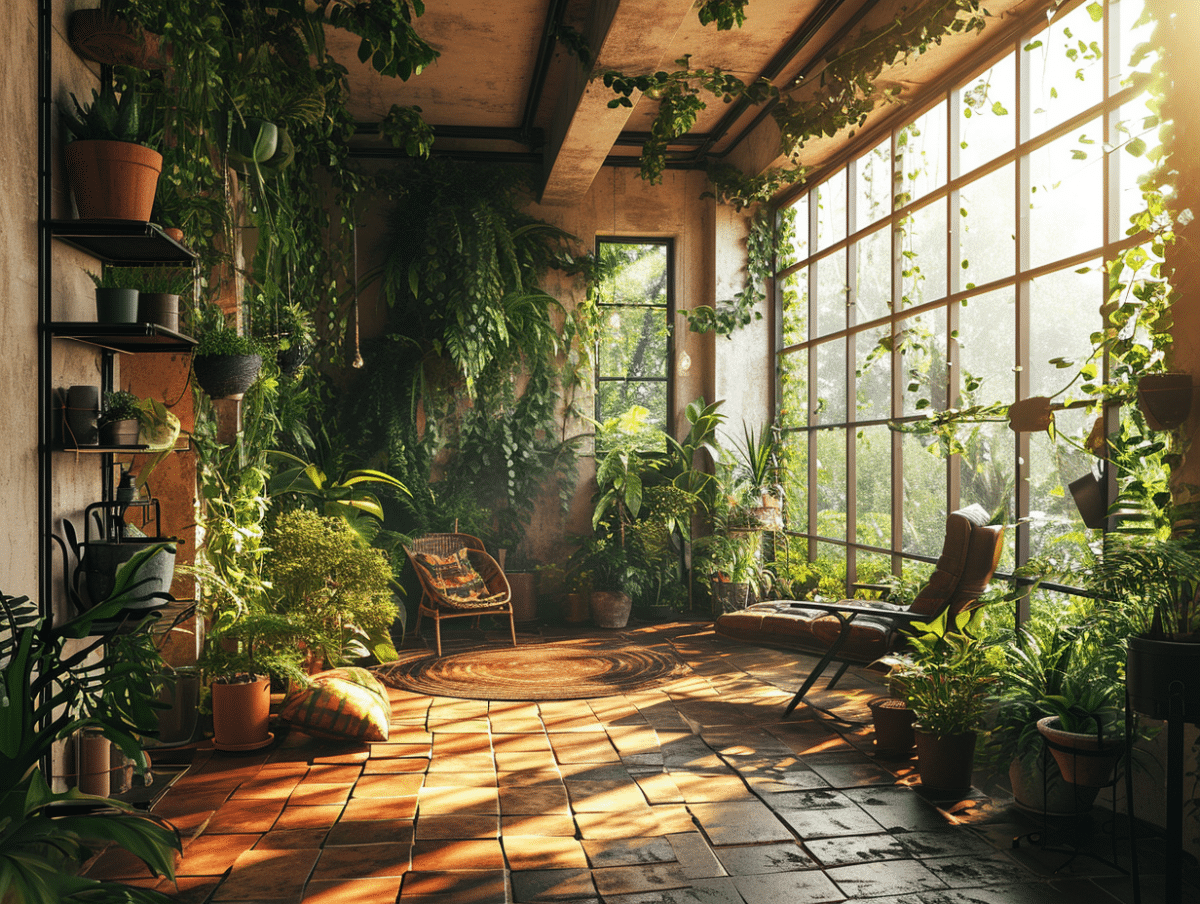
As spring unfolds its carpet of greenery, gardening enthusiasts sharpen their tools, ready to shape their outdoor spaces according to the emerging trends of the year. The growing ecological awareness strongly influences these currents, with a surge in gardens that promote biodiversity and self-sufficiency. Native plants, urban vegetable gardens, and smart gardening solutions that save water and resources are gaining popularity. Green spaces are becoming personalized havens, reflecting the increasing importance of well-being and sustainability in our lifestyles.
New eco-friendly practices in gardening
Permaculture is majestically establishing itself in green spaces, introducing gardening techniques that respect and enrich the ecosystem. This method, which relies on the design of sustainable and self-sufficient agricultural ecosystems, is emerging as the driving force behind new eco-friendly practices. Gardeners, whether amateur or experienced, are embracing this philosophy that advocates for abundant plant production while minimizing inputs and soil work. Permaculture thus shapes the contemporary garden, where plants, chosen for their ability to thrive in the local context, contribute to the regeneration of biodiversity.
Plants, at the heart of gardening trends, oscillate between neglect and resurgence in popularity. Some varieties, once overlooked, are reclaiming their place in the sun within the framework of Tradition Jardin. At the same time, drought-resistant species and those promoting biodiversity are gaining ground. Current landscaping reflects a preference for the natural, sustainability, and authentic aesthetics. The garden becomes a refuge where nature is preserved and enhanced, a place where harmony among the various components of life is sought and cherished.
Water management is also at the forefront of concerns for gardeners aware of climate issues. Solutions to reduce water consumption, such as rainwater harvesting systems or drip irrigation, are increasingly integrated into landscaping projects. Landscapers and outdoor designers favor design concepts that respect the natural water cycle while offering an aesthetic suited to contemporary tastes. Slow gardening, which advocates a work pace in harmony with natural cycles, strongly influences current trends, once again highlighting the importance of patience and respect for nature in the art of gardening.
Innovation and technology in gardening
Technological advancements are transforming gardening into an art where innovation intertwines with tradition. The rise of mobile applications dedicated to gardening, soil moisture sensors, and connected water management systems illustrates this dynamic. These digital tools provide valuable assistance in optimizing watering, monitoring plant health, and planning gardening tasks. Technology offers enthusiasts a wealth of information and features to cultivate a more productive and environmentally friendly garden.
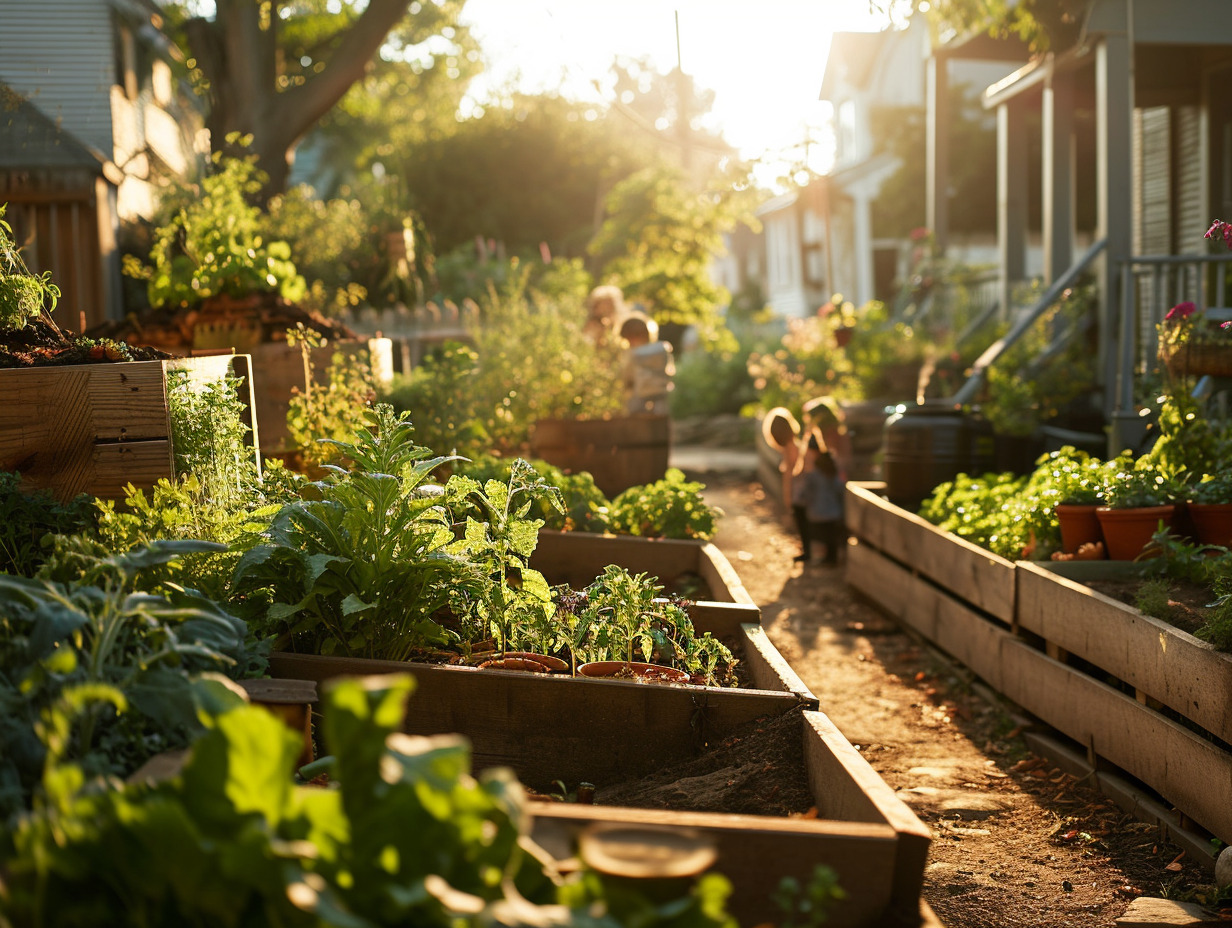
Innovative design concepts, such as living walls or raised gardens, adapt to the constraints of small spaces like balconies or urban terraces. These structures allow for the creation of green oases where space is limited, while also contributing to improved air quality and thermal insulation of buildings. Landscape architect Gilles Clément, with his theories on the garden in motion, continues to influence the way these green spaces are designed, favoring arrangements that evolve with time and nature.
Water management remains a central concern, heightened by climate change. Rainwater harvesting is becoming more sophisticated and is now integrated into elegant and functional designs that align with current outdoor design trends. Smart irrigation systems, capable of adapting to weather conditions and the specific needs of plants, mark a further step towards more sustainable and efficient gardening. These innovations, addressing both ecological and aesthetic challenges of the moment, shape the garden of tomorrow, a space where technology recedes in favor of nature, while enhancing it.