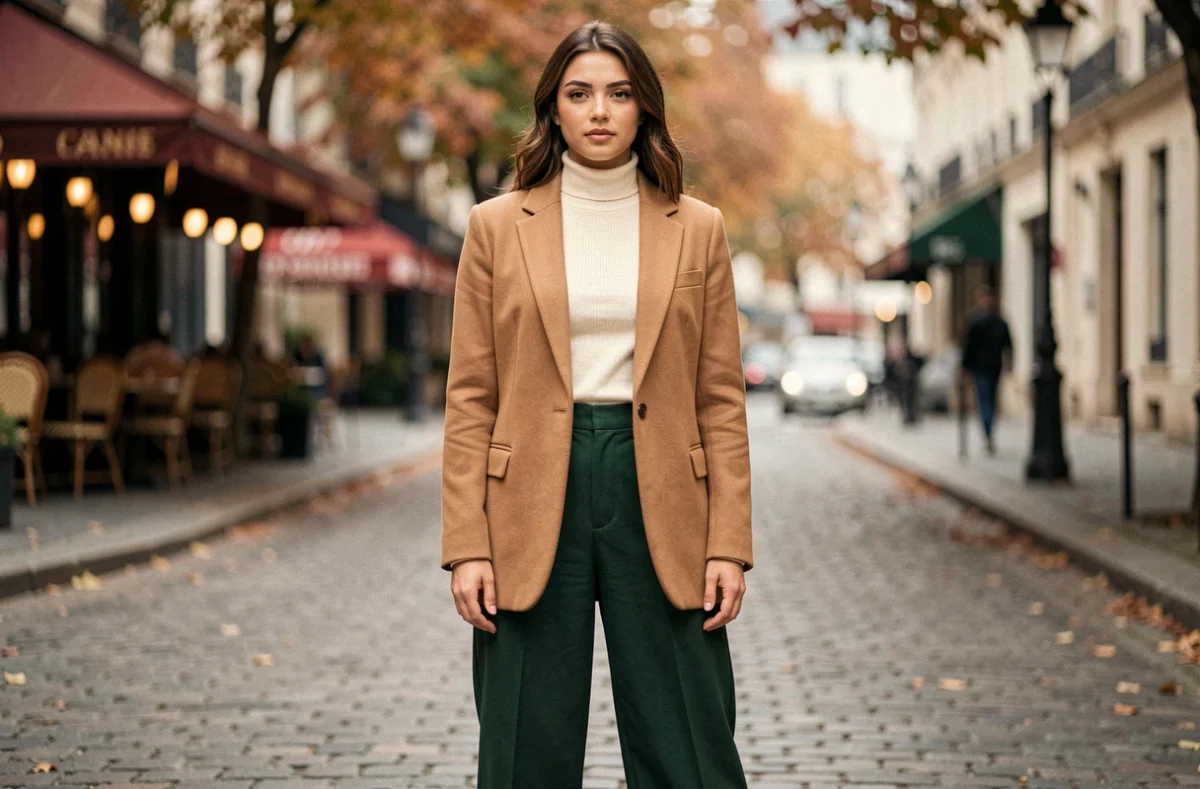
Fashion trends for a season are often summarized in a list of colors and cuts spotted on the runways. Adopting these suggestions without filter means refreshing your wardrobe every six months, with a financial and environmental cost rarely mentioned on the labels. Understanding what distinguishes a durable piece from a disposable purchase allows for the construction of a personal style that transcends several seasons.
Sustainability and traceability: the real filter before adopting a fashion trend
Reproducing a look seen on a runway raises a question rarely addressed by style guides: is the coveted piece designed to last? Two concrete criteria help to decide before making a purchase.
The first is the repairability of the garment. Double stitching, replaceable buttons, a fabric that withstands ironing or mending extends the lifespan of a piece by several years. Brands that publish repair guides or offer textile after-sales service indicate a measurable commitment.
The second criterion concerns the origin of manufacturing. French regulations are beginning to directly influence fashion offerings and communications, particularly through the obligations of extended producer responsibility (REP) applied to the textile sector. These rules push brands to specify the composition, country of assembly, and recycling conditions.
Reading this information on the label, or searching for it on the brand’s website, is a more useful reflex than following an Instagram account to choose your next jacket.
Those interested in the evolution of women’s and men’s wardrobes will find regular analyses on fashion on insiderinfos.fr, with a perspective that goes beyond a simple catalog of trends.
Autumn-Winter 2026-2027 Colors: mauve and monochrome tones
Each season brings forth a dominant palette. For autumn-winter 2026-2027, mauve is prominent from purple to royal violet, featured on both clothing and accessories. Céline, Chanel, and Loewe apply it to trench coats, gloves, and boots, while Stella McCartney, Dries Van Noten, Burberry, and Zimmerman showcase it across various pieces.
This color has a concrete advantage: it pairs well with neutral basics (black, gray, off-white) without imposing a total look. Just one mauve accessory, such as gloves or a bag, is enough to refresh an outfit made up of pieces already present in a wardrobe.
Monochrome silhouettes and flat shoes at COS
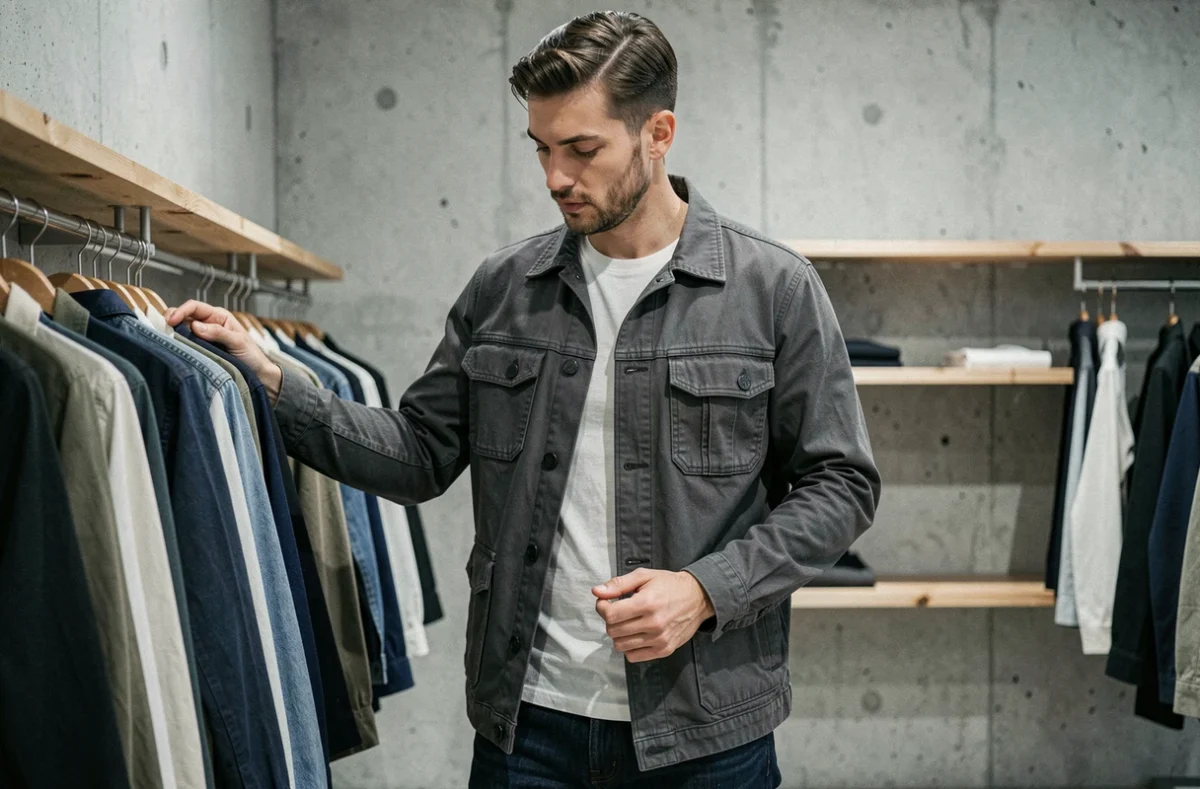
The autumn-winter 2026-2027 collection from COS illustrates another direction: monochrome and straight silhouettes paired with flat shoes inspired by the wardrobe of the 1920s. The principle of monochrome simplifies outfit composition and reduces the number of pieces to own. Wearing a single shade from head to toe creates a strong visual effect with a limited investment.
Before buying a piece in the season’s color, checking its compatibility with the rest of your wardrobe helps avoid the accumulation of clothes worn three times and then forgotten.
Tapered pants, split pants, and leather: cuts that replace jeans
Jeans remain a staple of the wardrobe, but several cuts are gaining ground on runways and in commercial collections. The Tagwalk analysis cited by Ma Grande Taille documents two clear movements for autumn-winter 2026-2027:
- Tapered pants are making a particularly marked comeback, with a fitted cut from hip to ankle that structures the silhouette without additional accessories.
- The split pant, slit at the bottom of the leg, is progressing in collections and adds movement to a sober outfit.
- Leather, worn as pants or skirts, is establishing itself as a rising alternative to denim, providing a dressier look for equivalent style effort.
The choice between these options depends on daily use. Tapered pants are suitable for a professional context, split pants adapt to outings, and leather works in both cases as long as the flexibility of the material and the quality of the seams are checked.
Separate pieces and mix and match: building a style without a total look
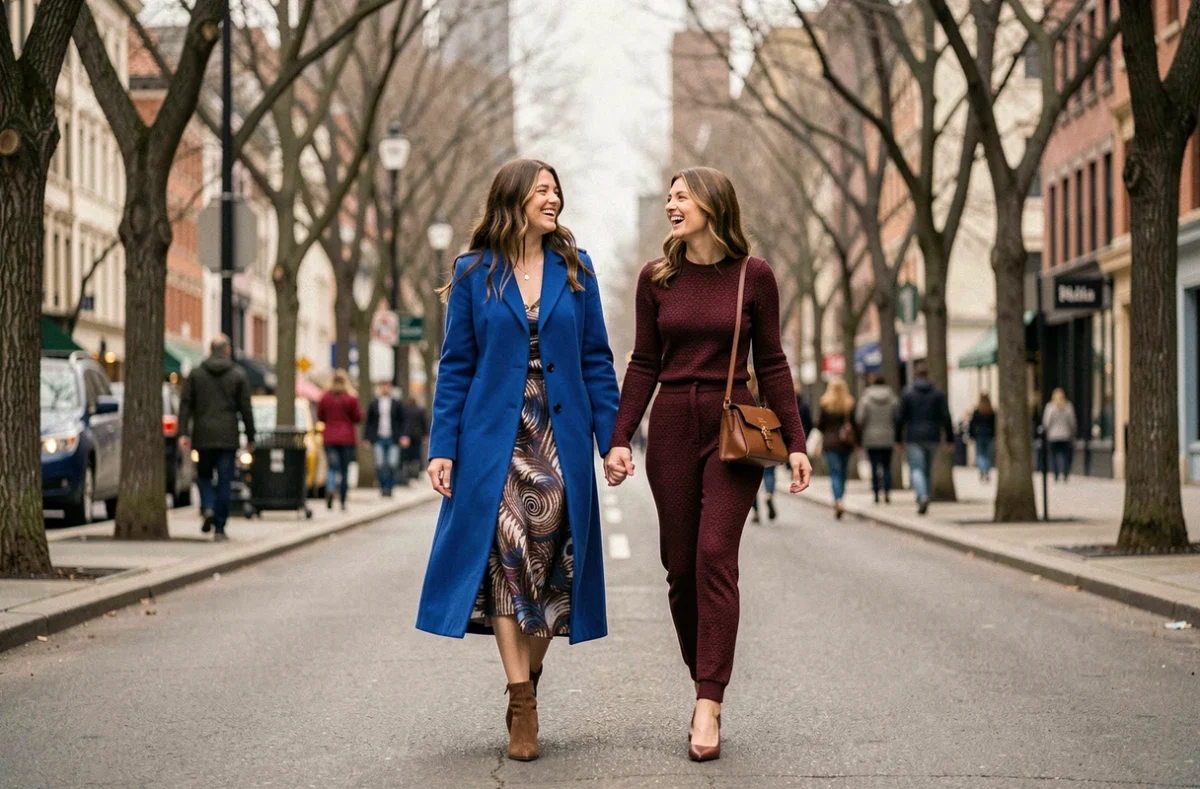
Designers have massively decomposed their proposals into independent pieces this season, rather than outfits designed as total looks. This approach allows for the combination of elements from different collections and extends the lifespan of each garment.
Check before assembling
Adopting this logic of separate pieces has a direct effect on the sustainability of a wardrobe. A well-cut top in a durable fabric can be paired with several different bottoms, reducing the total number of garments to own.
Three points deserve verification at the time of purchase:
- The fabric composition: natural fibers (cotton, linen, wool) or predominantly natural blends age better than 100% synthetic.
- The finish of the inner seams: generous seam allowances allow for future alterations.
- The presence of traceability information on the label or the brand’s website, in accordance with the REP obligations in force in France.
The skirt, identified as a key piece of the season on the runways, exemplifies this approach. A quality skirt can be worn with a sweater in winter and a light top in fine weather, effectively doubling its annual usage compared to a seasonal dress.
Choosing fewer, better-made pieces verified for their origin remains the most concrete way to follow trends without completely renewing your wardrobe each season. Colors and cuts change, but the method of selection does not go out of style.